الأرشيف الشهري: ديسمبر 2025

Trump wanted a wall in his first term: Mexico’s new tariffs suggest it’s ready to build one for him

Trump wanted a wall in his first term: Mexico’s new tariffs suggest it’s ready to build one for him

Sheinbaum’s barriers are widely seen as a concession to Trump’s agenda. (AFP) Summary Mexico’s acceptance of 50% tariffs looks less like regular economic protectionism and more like preemptive compliance. As Trump’s trade war turns into a global conflict, Claudia Sheinbaum looks ready to build his wall—with tariffs. When the Mexican Senate voted last week to approve a 50% tariff on a range of countries — China, India, Brazil, South Korea, Vietnam and Taiwan among them — politicians from President Claudia Sheinbaum’s ruling Morena party pretended they were doing it for their own reasons. However, no one in Asia believes that this is a bold declaration of economic independence. Rather, it is seen as the opening of a new and unexpected front in Donald Trump’s trade war against the world. The vote waived the senators’ usual right to discuss amendments in committees and it passed 76-5; the opposition abstained. Officials largely delivered the usual lines that come with measures that cut off trade: That they would protect domestic industry, that revenues would increase by nearly $3 billion, that there would be more money to spend supporting the unemployed. But the real reason is that Sheinbaum is spooked by the deadline, now six months away, for revising the US-Mexico-Canada Agreement (USMCA). The speed with which she pushed through the legislation and its timing are no coincidence: Trump said earlier this month that he might let NAFTA’s successor expire or “maybe work out another deal” that ensures the U.S. isn’t “taken advantage of.” No one wants to open that can of worms again. About 80% of Mexico’s exports cross its northern border and more than 80% of these are tariff-free under the USMCA. The country depends on US markets for 30% or so of its output. Mexican politicians are clearly scared enough that even acts of economic self-harm, like 50% tariffs, seem worth trying. For the countries affected by the new tariffs from Mexico City, it’s a sobering reminder that they have more than just the US president to deal with. Trade is a complex, diverse business, which is why we have multilateral arrangements such as the World Trade Organization. For much of 2025, we could pretend that wasn’t the case, with everyone scrambling to make their own bilateral deal with the US. But Sheinbaum shows that the trade conflicts Trump has launched are an ongoing war, not a controlled confrontation. Some will be hit particularly hard. One of the few industries in India that has carved out a successful export niche for itself is auto components. New tariffs could make them uncompetitive inputs for the giant factories along the US border that serve America’s insatiable appetite for cars. But a significant portion of Indian exports to Mexico do not go through the US at all. It is consistently among the top three or four destinations in the world for small, fuel-efficient cars, for example. It’s not meant for Americans, but they’ve been hit with tariffs anyway. Sheinbaum pays Trump protection money, but she takes it out of the pockets of Indian producers. And of course from her own citizens. Opposition lawmakers pointed out that official modelers had given up trying to estimate the effects of such a drastic change to Mexican trade policy. Citgroup’s economists believe this will keep domestic inflation above 4% next year. All the other downstream (and predictable) consequences of tariffs will apply: loss of competitive advantage, factories facing supply shortages, retaliation in fields where you least expect it. And what happens if Trump decides he doesn’t care about such expensive professions of loyalty and shuts down the USMCA anyway? Mexico City will have to rebuild trade relations with the rest of the world from scratch, but capitals from Brasília to Beijing may not be particularly warm at that point. Many Asian countries had hoped that the America-first trade policy — even if disruptive — could eventually form a united front against Chinese dominance of manufacturing. Sheinbaum’s surrender shows us another path. In this alternate world, some countries would quietly enact the US president’s policies for him. The other, perhaps with China at the forefront, will find a multilateral path to isolate collaborators. Countries across Asia and beyond now know that it is not just their relationship with the US that is under threat, but with several other nations as Trump tries to push everyone into his dream world of high tariffs. For example, he has already asked the European Union to impose 100% tariffs on China and India. It is unlikely to agree. Some countries will erect high and unpredictable trade barriers against each other and the world, while the rest will seek security and prosperity by integrating faster and further. Sheinbaum may have chosen the wrong side. In his first term, Trump promised to make Mexico pay for his wall. Now, in his second term, he has succeeded. So what if this new wall is one of rates and not bricks? ©Bloomberg The author is a Bloomberg opinion columnist.


New India-NZ FTA unlocks work visas for honors students, STEM degrees – Details inside

New India-NZ FTA unlocks work visas for honors students, STEM degrees – Details inside

Piyush Goyal said cooperation has been agreed in AYUSH, culture, fisheries, audiovisual tourism, forestry, horticulture and traditional knowledge systems New Delhi, Dec 22 (ANI): Union Commerce and Industry Minister Piyush Goyal is addressing a press conference at Vanjiya Bhawan, in New Delhi on Monday. (ANI Photo/Jitender Gupta)(Jitender Gupta) Union Commerce Minister Piyush Goyal said on Monday that under the terms of the new India-New Zealand FTA, those who complete a degree course or a bachelor’s degree with honors will be eligible for a 3-year work visa, while those who graduate in STEM (Science, Postmatics, Engineering, Engineering and Mathematics) will be eligible. A 4-year work visa. Goyal said that cooperation was agreed in AYUSH, culture, fisheries, audiovisual tourism, forestry, horticulture and traditional knowledge systems. He said the India-New Zealand FTA will provide students and professionals greater avenues for mobility and improved opportunities for education and employment. “This is a free trade agreement with New Zealand that is both comprehensive and forward-looking, reflecting the vision of our leaders, Prime Minister Modi and Prime Minister Luxon, to elevate the relationship to much higher strategic levels, much more comprehensive, which will include not only trade, education, R&D and innovation, services sector, tourism, sports,” Piyush told ANI. India-New Zealand FTA The Commerce Minister also highlighted that the India-New Zealand FTA is expected to provide a significant boost to India’s exports, with New Zealand offering zero duty market access on 100% of its tariff lines covering all Indian exports from the date of entry into force. The Minister informed that as per the terms of the FTA, Indian students going to New Zealand for studies will now be eligible for 2 year work visa. “Around 5000 yoga instructors, chefs, AYUSH professionals, nurses will get professional work visas. We have also been able to open 118 sectors which will give us the opportunity to participate in tourism, IT, telecom, Audi-Visual etc.” Labor intensive sectors are among the biggest gainers. With New Zealand eliminating tariffs that earlier peaked at up to 10 percent, Indian exporters of textiles and apparel will get zero duty access across 1,057 tariff lines. India’s textile and apparel exports rose to USD 36.9 billion in 2024-25, while exports to New Zealand increased to USD 103 million, a trend expected to accelerate given New Zealand’s annual global textile imports of nearly USD 1.9 billion.

Rohit Sharma’s Netflix T-shirt sparks online frenzy: T20 World Cup documentary or something bigger in the works?

Rohit Sharma’s Netflix T-shirt sparks online frenzy: T20 World Cup documentary or something bigger in the works?

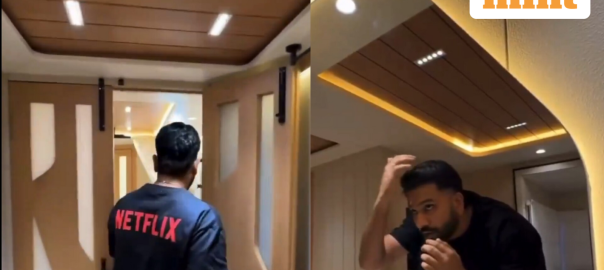
A viral clip of Rohit Sharma in a Netflix T-shirt, responding to ‘ready to shoot’, has sparked online speculation, with fans wondering if the streaming giant is filming a documentary featuring the former India captain. Screenshot from the video. Former Indian cricket captain Rohit Sharma set social media abuzz after a short clip of him wearing a Netflix-branded T-shirt went viral on X. The video, which was originally shared as an Instagram story, shows Rohit calmly fixing his hair while standing in a hotel corridor. A woman’s voice in the background is heard saying, “Rohit sir, ready shot.” To this Rohit casually replied, “Okay, let’s go.” It was enough to send the internet into speculation mode. Within minutes, fans and cricket watchers began dissecting every detail of the clip. The Netflix logo on Rohit’s T-shirt quickly became the center of attention, with many wondering if the streaming giant is working on a big project with Rohit. Several users have speculated that Netflix might prepare a documentary on Rohit Sharma, probably on India’s triumphant T20 World Cup campaign. Others suggested it could be a behind-the-scenes series capturing Rohit’s leadership journey, dressing room moments and the pressure of leading India on the world stage. Social media reactions ranged from excitement to playful theories. One user wrote: “A documentary of RS on Netflix or the story of winning the T20 World Cup to promote it…??” Another post read: “The ‘Streaming Wars’ just found their ultimate weapon. Netflix knows that in India, the only script better than Bollywood is Cricket.” Some fans were convinced that it could be more than just a simple look. “If this is a documentary, we don’t just get a show; we get the unfiltered blueprint of a Leader. Blockbuster drawer,” one user said. Others felt it could be a promotional shoot. “Preparing for Netflix ad shoot!” one post claimed. What intrigued many was the lack of any official context. “This is pure curiosity engineering. No context. No explanation. Just enough mystery to make the brain itch. Silence is the loudest tease,” another user wrote. Neither Rohit Sharma nor Netflix has made any official announcement so far. However, given the growing trend of sports documentaries and India’s massive appetite for cricket content, the speculation does not seem far-fetched. Whether it’s a documentary, a commercial, or something else entirely, one thing is clear: a few seconds of video was enough to dominate timelines and spark excitement. Until clarity emerges, fans will continue to read between the frames — and wait for the next teaser.

Minister of Cooperatives supports KPBS Pangalengan UHT milk production and enters MBG ecosystem

Minister of Cooperatives supports KPBS Pangalengan UHT milk production and enters MBG ecosystem

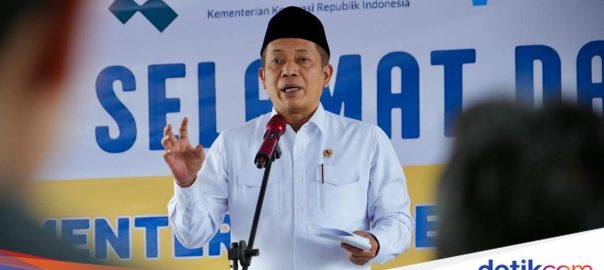
Jakarta – Minister of Cooperatives, Ferry Juliantono supports the South Bandung Livestock Cooperative (KPBS) Pangalengan entering the milk processing industry (IPS) sector to produce UHT milk, not just pasteurized milk. In this way, KPBS Pangalengan can expand its role in the Free Nutritious Meal (MBG) program ecosystem. “I hope that pasteurization technology can be developed here by building a new factory line to produce UHT milk,” Ferry said in his statement on Monday (22/12/2025). He conveyed this during a working visit to KPBS Pangalengan, Bandung Regency, West Java, on Monday (22/12). Scroll TO CONTINUE CONTENT During his visit, Ferry also witnessed the signing of a cooperation agreement between KPBS Pangalengan and the Jayabaya 2 Nutrition Fulfillment Service Unit (SPPG) regarding the procurement of pasteurized milk in the MBG program. Then, the signing of a cooperation agreement between KPBS Pangalengan and Kopdes Merah Putih Margamulya regarding cooperative training. Ferry explained that UHT and pasteurized milk products from KPBS Pangalengan will be sold in all outlets owned by Kopdes Merah Putih throughout Indonesia. “For the needs of the UHT industry, I also ensure that LPDB Cooperative is ready to help if KPBS Pangalengan needs additional financing,” he said. He further added that the milk processing industry in Indonesia so far gets its raw materials from imported skimmed milk powder, which is allowed to enter because there are regulations. Currently, however, this ministerial regulation no longer exists. “If the cooperative is able to build a milk processing industry, it will absorb milk products from our dairy farmers. I guarantee we will ban the importation of skimmed milk powder because it will kill dairy farmers,” said Ferry. In fact, continued Ferry, Indonesia should continue to increase the number of dairy cattle population that is really needed by farmers. “We will support the government’s program to increase the dairy cow population and then support its advocacy to prevent the entry of imported skimmed milk powder,” he stressed. Ferry also encouraged all dairy cooperatives to become the same as private companies so that they can produce their own powdered milk. “We don’t want to be unable to compete with private companies, so that the impact can be felt directly by the community,” he said. Regarding the MBG program, Ferry hopes that the presence of SPPG throughout Indonesia will be able to build a supply chain that originates from cooperatives, especially Kopdes Merah Putih. “Not only milk but also vegetables will also be provided by greengrocer cooperatives and so on. So, our aim is to build a cooperative ecosystem to meet the needs of SPPG in the MBG program,” he said. According to Ferry, milk quality and certification are the main basis for strengthening dairy cow producer cooperatives. Because milk is a strategic food product that has a direct impact on people’s health, especially children. “That’s why compliance with food quality and safety standards, as well as certification from upstream to downstream, from production at the farmer level, processing, to distribution, must be the biggest concern of cooperatives,” he explained. Ferry also reminded that the collective role of cooperatives is key in supporting the MBG programme. For this reason, milk producer cooperatives must be able to provide milk that is safe, fit for consumption, standardized and certified, with an orderly and accountable distribution system. “Provision for MBG requires not only product availability, but also collaborative readiness in management, recording, traceability and supply chain management. This is where cooperatives are tested to be promoted to become strategic partners of national programs,” he explained. Meanwhile, LPDB Chief Director Krisdianto said that KPBS Pangalengan is an LPDB partner that is in the good category. “They also have buyer partners such as Ultra Jaya and Frisian Flag, and several SPPGs in the MBG program,” said Krisdianto. In the future, Krisdianto hopes that KPBS Pangalengan can become the main supplier of Kopdes Merah Putih, especially for various dairy products. “This cooperative received revolving fund financing of Rp. 15 billion, and it was paid off,” he said. On the other hand, KPBS chairman Aun Gunawan explained that KPBS Pangalengan was established since 1969 and now has more than 4,500 members. KPBS Pangalengan has a cow population of 16 thousand and is capable of producing 80 tons of milk per day. To support the production and marketing of fresh milk, KPBS Pangalengan operates 28 integrated cooperative service points (IPC). Everything is managed by an Enterprise Resource Planning (ERP) based system. Of these centers, Aun said, eight are equipped with milk cooling systems, which allow for more efficient processing. “Starting from collecting milk at the farm level to sending it to the milk processing industry,” he explained. Currently, KPBS Pangalengan is actively involved in the MBG program by supplying milk to 50 SPPGs. “However, our milk is not dropped to SPPG, but goes straight to schools at the same time as SPPG. We prepare about 700 thousand cups per month,” concluded Aun. (acd/ega)

Bareskrim seizes IDR 60 billion worth of methamphetamine and cocaine from drug syndicate at DWP Bali

Bareskrim seizes IDR 60 billion worth of methamphetamine and cocaine from drug syndicate at DWP Bali

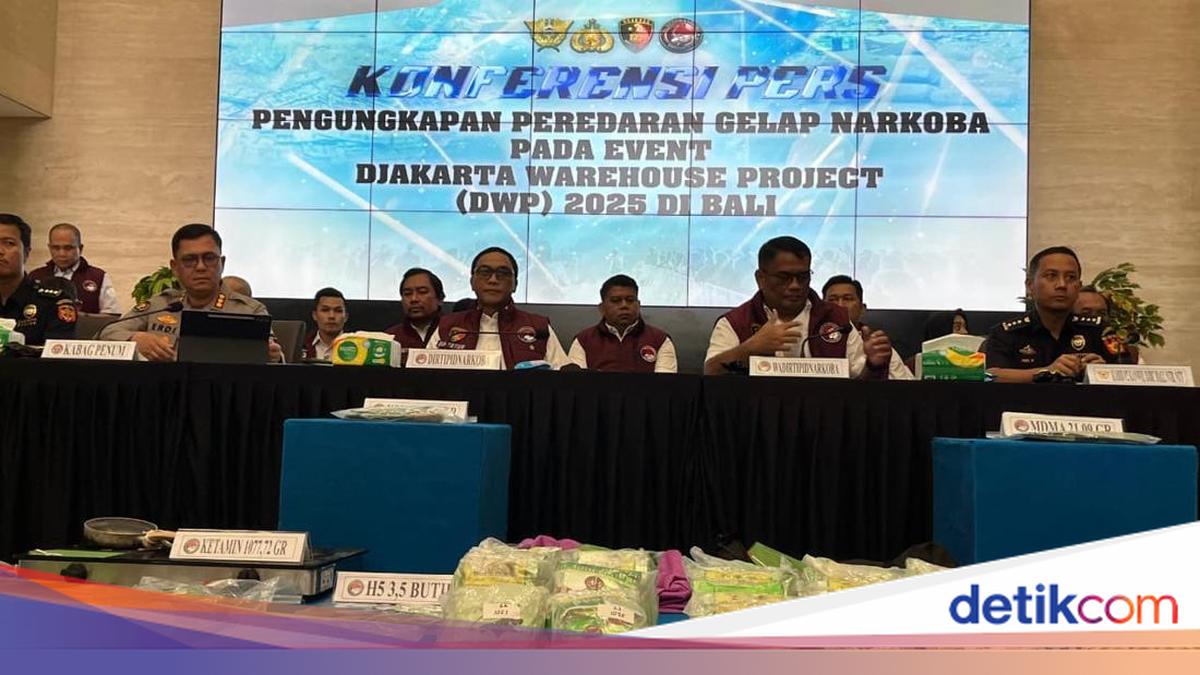
Jakarta – The Directorate of Narcotic Crime (Dittipidnarkoba) Bareskrim Polri foiled the distribution of drugs that were to be distributed at the 2025 Djakarta Warehouse Project (DWP) music festival in Bali. Various types of narcotics worth Rp. 60 billion was seized by the police. The National Police Criminal Investigation Directorate, Brigadier General Eko Hadi Santoso, explained that the disclosure was made on December 9-18, 2025. This disclosure was to prevent the DWP music festival from being exploited by drug networks. “We can say that a series of actions against illegal drug dealers were carried out at this event several days before the DWP event started,” Eko said in a press conference at the Police’s Criminal Investigation Unit, South Jakarta on Monday (22/12/2025). Scroll TO GO WITH CONTENT A total of 17 suspects were arrested by the police, including one foreign national (WNA). They consist of six different syndicates. Here are the details: Syndicate 1: Gusliadi and Ardi Alfayat; Syndicate 2: Donna Fabiola, Emir Aulija, Mifrat Salim Baraba, Andrie Juned Rizky and Msulim Gerhanto Bunsu; Syndicate 3: Ali Sergio; Syndicate 4: Nathalie Putri Octavianus, Abed Nego Ginting, Gada Purba, Sally Augusta Porajouw, Stephen Aldi Wattimena and Marco Alejandro Cueva Arce (Peruvian citizen); Syndicate 5: Ni Ketut Ari Krismayanti and Tresilya Piga; Syndicate 6: Ricky Chandra. “Seven people are still on the DPO,” explains Eko. The police confiscated a number of pieces of evidence from the suspects, including 31 kilograms of methamphetamine, 956.5 ecstasy pills, 23.59 grams of ecstasy powder, 135 grams of happy water and 1 kilogram of ketamine. The police also seized 33.12 grams of cocaine, 21.09 grams of MDMA, 36.92 grams of marijuana and 3.5 happy fives. The total amount of evidence is estimated to have an economic value of approximately IDR 60 billion. “This is quite important, colleagues, because it is a calculation of the total estimated price if the evidence circulates on the drug black market, worth IDR 60,508,691,680,” explains Eko. Eko said that the total evidence successfully obtained is equivalent to saving 162,202 lives from the dangers of drug abuse. “This will be a future reference for securing major national events that have the potential to be exploited by drug networks to make a profit,” emphasizes Eko. As a result of their actions, the suspects are threatened with being charged under Section 114 Paragraph 2 in conjunction with Section 132 Paragraph 2 of Act Number 35 of 2009 on Narcotics. (evil/yang)

Threat of 2 Bogor Education Department ASNs sacked after fraud issues surfaced

The beginning of the Batam District Court judge who was caught cheating and eventually fired by the Supreme Court

Jakarta – The Judicial Commission (KY) together with the Supreme Court (MA) through the Honorable Panel of Judges (MKH) imposed a permanent sanction of dishonorable dismissal, aka the dismissal of the Batam District Court Judge, HS. The judge was fired for cheating on his legal husband. Seen by detikcom from the official KY website, Monday (22/12/2025), the MKH hearing was held on Thursday (18/12) at the Supreme Court building. This case started with a report from HS’s husband. In the report, HS is suspected of having a relationship with a member of a community organization (Ormas) with the initials S. HS is suspected of having a relationship since 2023 via a chat or video calling application. Scroll TO GO WITH CONTENT Furthermore, there is also photo evidence when the notified party and S were seen together at official court activities. There is also evidence that the reported car was parked at one of the hotels. MKH also stated that HS had been reported to his superiors, but his behavior had not changed. The notified party was also summoned by Bawas MA but was not willing to come for various reasons. Long story short, MKH judged that there was evidence that HS had violated the code of ethics. HS was also fired from MA. “The imposition of sanctions on the reported parties with heavy sanctions in the form of dishonorable dismissal as regulated in Article 19 paragraph 4 letter e of the Joint Agreement between the KY and the Supreme Court on the enforcement of the Code of Ethics and Code of Conduct for Judges (KEPPH),” says MKH Chief Justice Prim Haryadi. This MKH is a proposal of the Supreme Court chaired by Supreme Court Justice Prim Haryadi. Other representatives of the Supreme Court were Supreme Court Justices Lailatul Arofah and Hari Sugiharto. Meanwhile, KY was represented by Joko Sasmito, M Taufiq HZ, Binziad Kadafi and Sukma Violetta. (haf/dhn)

Deputy head of Commission V DPR urges GIG worker bill to be discussed, target ratified by 2026

Prabowo wants each region to have an architectural team, DPR Commission V reminds

Jakarta – Vice Chairman of Commission V DPR RI Syaiful Huda supports President Prabowo Subianto’s idea to encourage each region to have an architectural team. Huda considers this idea to be in line with efforts to create order, cleanliness and beauty in the area. “We certainly support President Prabowo’s thoughts on the organization of the region, especially in tourism areas. The idea of ​​beautiful Indonesia is certainly the hope of all of us, because one of our goals as a state is to create public order, one of which is in the area of ​​cleanliness and beauty of the region,” Huda told journalists, Monday (22/12/2025). According to him, the idea of ​​having a special architectural team for each region is a new step in organizing Indonesia’s regions. However, he reminded that the involvement of professionals and academics from campuses to help organize regional architecture should not shift the function of regional apparatus organizations (RPOs). Scroll TO CONTINUE CONTENT “Do not allow the idea of ​​involving professionals from academia to kill the functions of regional apparatus organizations (RPOs) responsible for regional planning, such as the Spatial Planning Service, the Human Settlements Service or the Public Works Service,” he said. On the other hand, Huda admitted that regional planning issues are often hampered by the egoistic attitude of regional heads or their staff. One of them is that violations of regional spatial planning (RTRW) still occur frequently. “There are many cases of green land turning into industrial areas, agricultural land becoming residential areas, and water catchment areas becoming concrete forests. This situation sometimes requires intervention from the central government to bring order,” he said. “So President Prabowo’s steps can be interpreted as an attempt to limit violations of spatial planning and regional planning that have occurred so far, creating slums, floods and full of rubbish,” he continued. Even so, Huda stressed the importance of keeping room for local participation in regional planning policies. He hopes that the regional planning policy will be in line with regional authority. “We hope that this space will be maintained even if the President meets regional heads and instructs regional planning policies. Do not allow this space for local participation to erode if there is a top-down regional planning policy,” he said. Previously, President Prabowo Subianto emphasized the importance of cleanliness in cities and towns as the key to boosting the national tourism sector. According to him, it is difficult to attract foreign tourists if the area is still a slum and not well managed. “Brothers and sisters, one of the best earners of foreign exchange is tourism. How can we expect foreign tourists to come to Indonesia if our cities are slums, if our towns are not clean,” Prabowo said when he inaugurated the bulk contract for 50,030 KPR FLPP and handed over the keys in Serang, Saturday (20/12). He hopes that each provincial capital to district/city will have an architect team capable of helping regional heads prepare master plans for urban area development. According to Prabowo, planning a clean, beautiful and beautiful city will have a great impact, as well as a strategic step to create a more orderly and attractive face for Indonesia in the eyes of the world. “I hope that every provincial capital, every district capital, there will be an architectural team, call from all architectural faculties, help the regent, help the mayor, help the governor to make a master plan for the provincial capital, district/city capital. Make a city master plan that is clean, beautiful, very beautiful. The impact will be extraordinary. We will turn beautiful Indonesia into beautiful,” he said. (amw/idn)

Astra participates in the protection of the karst heritage of Rammang-Rammang, the creation of a green tourism village

Astra participates in the protection of the karst heritage of Rammang-Rammang, the creation of a green tourism village

Jakarta – Between towering karst cliffs and calm rivers, Rammang-Rammang Hamlet, South Sulawesi, has now developed from an isolated area into a tourism village based on nature conservation. This change opens up economic opportunities, expands access to health services, and increases citizens’ awareness of protecting the environment and facing disaster risks. Through a community-based approach, Astra is here to assist the residents of Rammang Rammang through the Kampung Berseri Astra program to preserve natural heritage while developing it as a sustainable tourist village. This effort encourages local communities to become not only guardians of the karst landscape, which now has UNESCO Global Geopark status, but also the main players in development that is in harmony with nature and their livelihoods. President Director of Astra, Djony Bunarto Tjondro said, Astra always strengthens sustainable social contribution programs that can create prosperity for the nation, especially for rural areas. Scroll to continue content “We made it happen by developing Kampung Berseri Astra which was carried out through cooperation and strengthening the role of the younger generation, in line with the four pillars of Astra’s social contribution, namely Health, Education, Environment and Entrepreneurship to encourage community welfare for today and the future of Indonesia,” he said in a written statement, (2225/1). The journey of change in Kampung Berseri Astra Rammang-Rammang cannot be separated from the role of Zainal Abidin, the driving force behind Kampung Berseri Astra Rammang Rammang, who is known as the Guardian of the Rammang-Rammang Karst Natural Fortress. As the first local boy to study up to doctoral level, Zainal invited residents to see the potential of his hometown as a source of sustainable livelihood. Through a simple initiative to introduce the natural beauty of karst through social media, he paved the way for Rammang-Rammang to become more widely known, without abandoning its conservation value. As tourism activities grow, the Rammang-Rammang community is also helped to maintain its natural ecosystem. One of them is through the production of environmentally friendly organic fertilizers obtained from bat droppings in karst areas. This initiative not only helps to maintain environmental fertility but also opens up business opportunities based on local potential that is in harmony with nature by collaborating with the Tourism Awareness Group (Pokdarwis). Previously, the average income for tourist attractions was around IDR 12 million per month. Through the development of tourist villages and sustainable use of local potential, income from tourist attractions has now increased to approximately IDR 32 million per month, along with the increase in foreign and domestic tourists. In the health sector, residents of Kampung Berseri Astra Rammang-Rammang now have access to more monitored services through the Berseri Astra Healthy Community Card Program. This program is a public health control tool equipped with routine screenings, including mobile health services using Jolloro boats to reach residents in water areas. Awareness of the importance of preparedness is also growing through the Safe Resilient Village program. Residents are provided with knowledge on pre-disaster mitigation, disaster management and post-disaster recovery. This education includes steps to deal with potential flooding, preparation of important items and safe evacuation procedures. The full story of Zainal Abidin’s journey to drive change in his hometown with the Kampung Berseri Astra program can be viewed on the SATU Indonesia YouTube channel. Astra is committed to continue to move with the country’s driving forces in various corners of the country in line with Astra’s ideals of Prosperity with the Nation and to support the achievement of Indonesia’s Sustainable Development Goals (SDGs). (acn/ega)

There are findings that yellow noodles contain hazardous substances in South Jakarta

There are findings that yellow noodles contain hazardous substances in South Jakarta

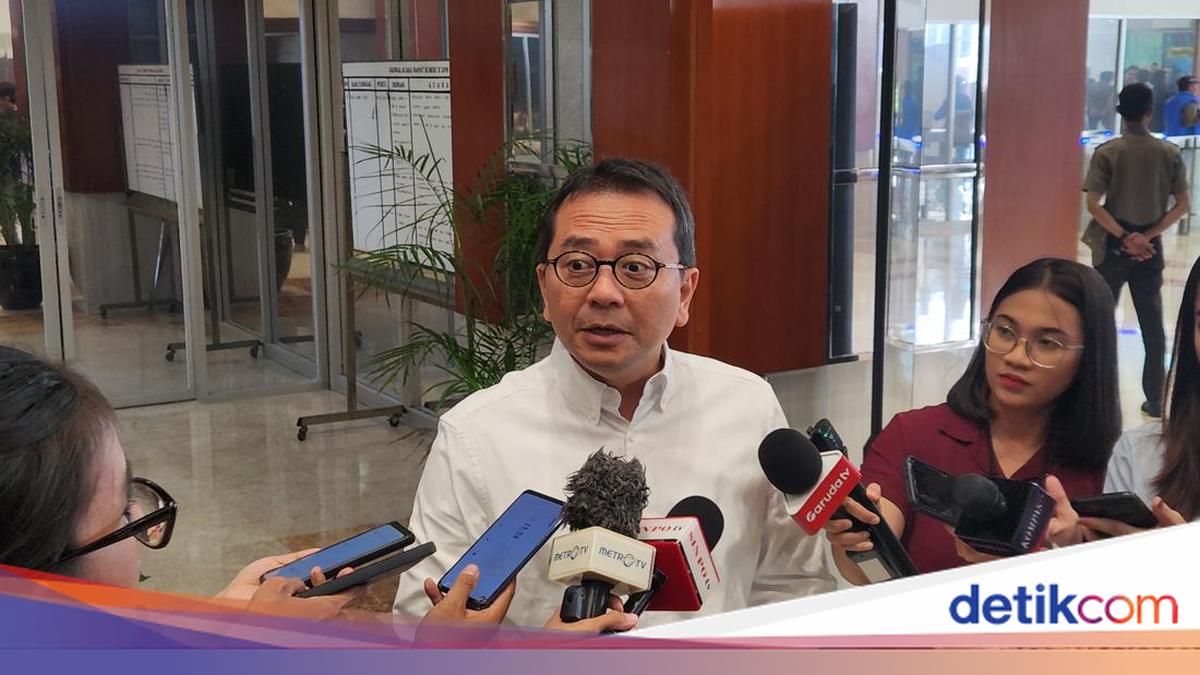
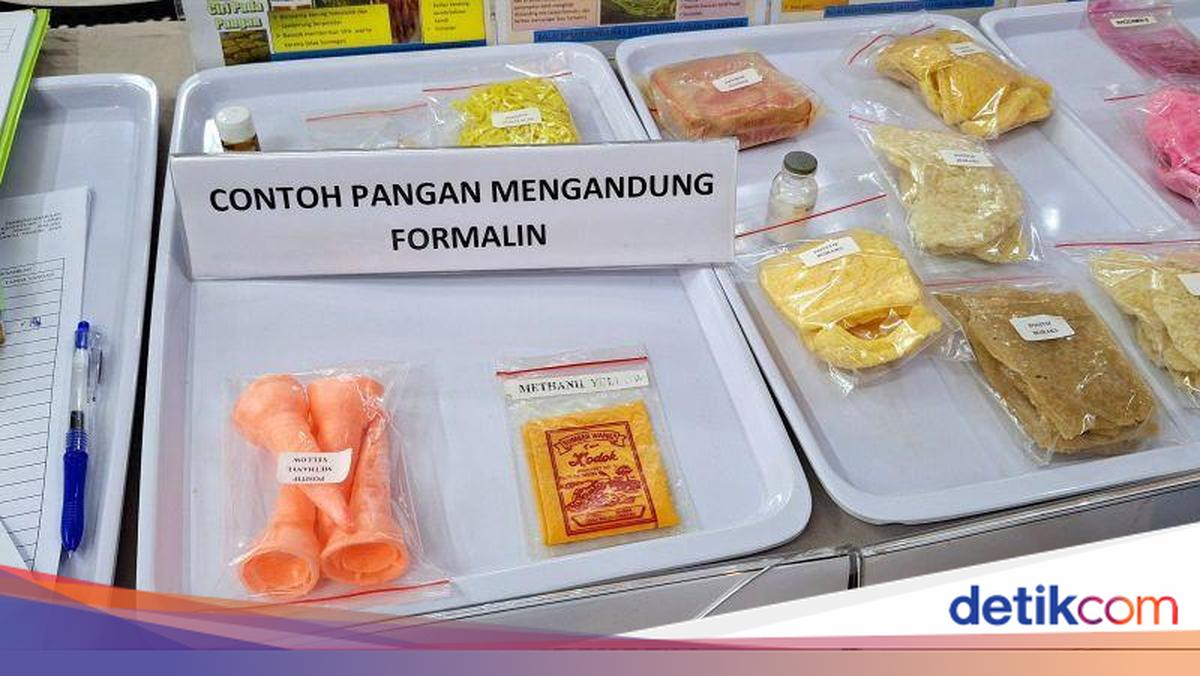
Jakarta – The South Jakarta City Administration found a sample of yellow noodles containing the dangerous substance formaldehyde at the Kebayoran Lama Market. The city government made this finding when they monitored food stability at Santa Market. “There are indications that raw yellow noodles contain dangerous substances. By the way, the noodle supplier is from Kebayoran Lama Market,” South Jakarta Mayor Muhammad Anwar said at Santa Market Jakarta, reported by Antara on Monday (22/12/2025). Anwar assured that he is coordinating with officials and the Food and Drug Monitoring Agency (BBPOM) to monitor dangerous substances, namely formaldehyde. It is hoped that the yellow noodles will not be widely distributed in the area to ensure the safety of food so that it is not consumed by the public. Scroll TO CONTENT “Therefore, I have instructed officers to immediately check the distributor’s location today so that distribution does not spread anywhere,” he said. If criminal elements are discovered later, the party will not hesitate to report it to the police. “If criminal elements are found, we will hand them over to the police,” he said. However, if the error level can still be improved, guidance will be carried out by BPOM. Head of the South Jakarta Food, Maritime and Agricultural Security (KPKP) Sub-Department (Kasudin), Ridho Sosro, added that surveillance is focused on detecting food containing dangerous ingredients, such as formaldehyde, borax, ‘methane yellow’ and rhodamine B. further, and may even be subject to legal consequences,” he said. In 2025, the South Jakarta KPKP Sub-Agency will supervise and monitor in 28 markets, both traditional and modern in 10 sub-districts throughout South Jakarta. This monitoring is carried out twice a year with a total target of 728 samples, consisting of 616 agricultural samples and 112 livestock samples. Food inspection is carried out to ensure that agricultural and livestock products circulating in the market are safe for public consumption, including checking the content of pesticide residues, formaldehyde, borax, other hazardous substances, as well as the testing of the quality of animal products. The pesticide residue test aims to determine the chemical content that may remain in agricultural products. Meanwhile, formalin and chlorine tests ensure that no dangerous preservatives are used in food processing and storage.

Middle-aged man dies after falling into drain in Faridabad’s Jawahar Colony, consumed alcohol before accident – Faridabad man dies after falling into drain

Middle-aged man dies after falling into drain in Faridabad’s Jawahar Colony, consumed alcohol before accident – Faridabad man dies after falling into drain

Remove ad read only news A middle-aged man died after falling into a drain in Faridabad’s Jawahar Colony, had been drinking alcohol before the accident. He is said to have been drinking alcohol before the accident… read more Symbolic photo Jagran Correspondent, Faridabad. A middle-aged man died after falling into the drain in Jawahar Colony. The deceased used to work at a dhaba in Tikona Park. He went to Jawahar Colony to meet his relative. It is said that both of them drank a lot of alcohol there. Remove Advertisement Read Only News After this, while coming to Air Force Road in Jawahar Colony, he fell into the drain. He couldn’t get up because he was so drunk. What he died of. People in the area informed the police about the matter. The police reached the spot and sent the body for postmortem. Prem Bahadur, originally from Nepal, has lived in Tikona Park for the last 15 years. He used to work as a cook and other helper at the dhaba. On Sunday evening, he went to Jawahar Colony Air Force Road to meet one of his relatives. There both of them drank alcohol together. After this, while returning, he fell into a drain near Air Force Road. After falling into the drain, he could not get up again. What he died of. The police conducted post-mortem examinations of the body and handed it over to the next of kin.