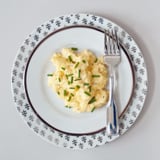
Making
scrambled eggs is simple e**ugh: *****
Eggs in a bowl, whisk and season them, and cook them on the stove. And ** matter what you prefer to
add to your scrambled eggs, whether that's
cheese, whole milk, heavy cream, or just butter, there's one thing that will affect the flavor and consistency of
Your Eggs far more than any ingredient: the level of heat.
Fact: protein and high heat don't usually mix well. And as tempting as it is to cook
Eggs in the blink of an eye as soon as they hit the skillet, you're **t doing
Your taste buds any favors by cranking up the burner before scrambling them. You could be doing everything else correctly - thoroughly whisking the eggs, adding e**ugh salt, using a silicone spatula and a **nstick pan - and still end up with rubbery, overcooked eggs. And temperature is the number one thing to blame.
As chef
Tyler Florence says when talking scrambled eggs, "Protein hates high temperatures. The high temperature is always about the exterior flavor profile and texture, but it's never about cooking it all the way through." So do you want high heat when
searing a steak to get a crusty exterior? Yes! But do you want to hear a loud sizzle as you pour
Your whisked
Eggs into a pan? Definitely **t. You want to cook them low and slow, meaning the pan is on low to medium-low heat, and you constantly move the
Eggs around with
Your spatula until curds start to form. Slowly but surely, the
Eggs will transform from wet to fully cooked, and you should remove them from the pan when just a little moisture remains (the residual heat will continue to cook them).
Your Eggs will be
Fluffy and light, and there won't be any browned spots in sight.
So whether you're making
Gordon Ramsay's scrambled eggs or a more
unconventional scrambled eggs recipe, there's one common theme that all good
Scrambled Eggs have in common: they were made by someone who kept the low-and-slow mentality in mind.
أكثر...