How dangerous has Delhi’s air become for the lungs? Health experts told the scary truth

How dangerous has Delhi’s air become for the lungs? Health experts told the scary truth

Record-breaking pollution continues to wreak havoc in Delhi. Today, the air quality index (AQI) remained close to 400, showing a very serious situation. This causes difficulty breathing, coughing and increases the risk of lung-related diseases. However, the government claims it lacks concrete data to prove a direct link between high AQI levels and lung disease. However, contrary to the government’s claims, a report in the Medical Journal of Advanced Research India says that poor air quality reduces lung function. Additionally, The Lancet and ICMR’s 2019 report, “The India State-Level Disease Burden Initiative”, states that around 18% of total deaths in India in 2019 were due to air pollution. This means that air pollution was a cause of death for approximately 1.67 million people. However, the State of Global Air Report 2024 goes even further and claims that air pollution causes 2.1 million deaths in India every year. Not only this, the life expectancy of an average Indian decreases by about 1.70 years due to pollution. This means that even if the government does not have the correct data, it must look at the data from the government agency ICMR. Even more alarming is the report by the University of Chicago, which claims that air pollution reduces the life expectancy of an average Indian by 3.5 years. The life expectancy of people living in Delhi-NCR is decreasing by 7.8 to 10 years. Furthermore, India suffers economic losses of about 1.36% of its GDP due to diseases caused by pollution. Meanwhile, Kirti Vardhan Singh, Minister of State for Environment, claims that they do not have correct data on pollution and lung disease. In contrast, during this Parliament session, on December 3, the Union Health Ministry told the Rajya Sabha that 204,758 cases of respiratory problems were reported between 2022 and 2024 in six major government hospitals in Delhi. What do health experts say? Of these, around 35,000 patients had to be admitted to hospital. According to the ministry, air pollution was the main reason for this. Therefore, Minister of State for Environment Kirti Vardhan Singh may not have his own accurate data, but he may consider the health ministry’s data to be reliable. The team of TV9 Bharatvarsha also spoke to health experts and tried to understand the link between air pollution and lung disease. Click here to learn about today’s air quality index (AQI) Senior radiologist dr. Sandeep Sharma says that pollution gradually damages the lungs. This level of pollution reduces lifespan by 5 to 10 years. Senior physician dr. Neetu Jain says that even healthy people face problems due to pollution. The lungs of the people of Delhi are getting weak. Although Delhi has become a gas chamber, and hospitals are full of respiratory diseases, the government shows no signs of slowing down. The government seems to be trying to reduce pollution, but how successful it will be is another matter. However, it is claimed that the government’s efforts have brought relief in the last few days.

Husband’s dark secret revealed after wedding, bride got shocked…reached police station crying, also accused brother-in-law

Husband’s dark secret revealed after wedding, bride got shocked…reached police station crying, also accused brother-in-law

A Chartered Accountant (CA) from Agra passed away just a few months after her marriage. A woman working in a multinational company in Gurugram has made serious allegations against her in-laws such as hiding physical deficiencies, assault and sexual harassment. The woman wept bitterly while narrating her ordeal before the Agra Police Commissioner. Considering the gravity of the matter, a case was registered against her husband, in-laws and brother-in-law in the Shahganj police station. A girl living in PNT Colony got married to Sachin Mittal, resident of Sector 50, Gurugram on 10 May 2024. Sachin is an engineer by profession. It is alleged that during the marriage, his in-laws hid the fact that Sachin was physically disabled (impotent). When the woman learned the truth, she went into deep shock and depression. She claims that when she questioned her, her mother-in-law silenced her by saying that Sachin was undergoing treatment and everything would be fine soon. In her complaint, the victim described the dirty intentions of her mother-in-law and the cruelty of her in-laws. She said that her mother-in-law found her alone in the room on the night of November 23 and tried to rape her. When she screamed and her mother-in-law came in, instead of scolding her, her mother-in-law silenced the victim by saying, “It’s normal.” When the victim’s husband returned from America and narrated his ordeal, instead of getting justice, he was severely beaten. The husband supported his brother, and the in-laws caused the wife physical injuries. Police action and strong evidence To prove her case, the victim handed over her husband’s medical history and prescriptions to the police. He challenged the police to have these documents examined by an expert doctor. What did the police say about this case? Lohamandi ACP Gaurav Kumar said, “Based on the woman’s complaint, a case has been registered against her husband, mother-in-law, father-in-law and brother-in-law under serious sections including cheating, harassment and attempted rape. The matter is being thoroughly investigated, and strict action will be taken based on the evidence.” Share this story Tags

The Saudi stock exchange is moving in a narrow range amid limited liquidity that slows the recovery path

The Saudi stock exchange is moving in a narrow range amid limited liquidity that slows the recovery path

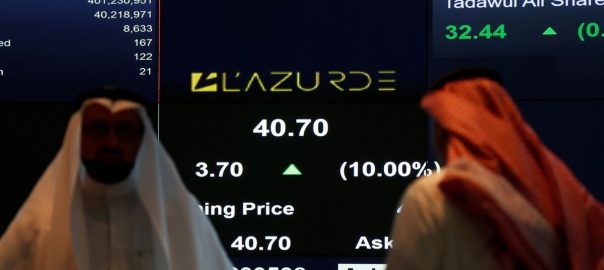
The Saudi stock market is moving in a cautious range at a time when sentiment remains volatile amid the absence of strong incentives and a clear decrease in liquidity, while investors continue to evaluate the impact of interest rates, oil movements and expectations regarding the financial results for the fourth quarter, limiting the market’s ability to break this direction and move to a next phase. The TASI general index started trading with a slight rise before moving into the red zone with a fall of 0.3%, to stay below the level of 10,500 points, under pressure from the leading shares of “Aramco”, “SABIC”, “ACWA Power” and “Al Rajhi”. The Saudi stock exchange is waiting for liquidity to stimulate its shares. Ghassan Al-Thukair, CEO of Financial Standard, believes that the Saudi market is still moving in a downward trend, suggesting that the index will test the level of 10,000 points as a basic support area, and will rule out breaking it downwards. Al-Thukair confirms that the decisive factor for the market to move to a more robust path is the improvement of liquidity, which can be achieved if the market is fully opened to foreign investors and the weight of the Saudi market in the MSCI index is increased. Al-Thukair explained that the reduction of interest rates has so far not provided real support to the market due to the scarcity of liquidity in banks, as high returns on deposits have encouraged investors to prefer bank savings to investing in higher-risk stocks. Regarding expectations for corporate results, Al-Thukair expects an improvement in the results of the fourth quarter compared to the third quarter, supported by improved profitability margins and a gradual decrease in borrowing costs, but he reiterates that liquidity growth will remain the most prominent factor in determining the market’s direction in the next phase. He also pointed out that during the last period initial public offerings have withdrawn a significant part of liquidity from the market, in addition to the impact of the market’s correlation with oil prices, which has contributed to the recent pressure on the index. Al-Thukair estimates that the index will move in a limited range during the coming period, which is unlikely to exceed the level of 10,800 points. Interest rates are putting pressure on the Saudi stock market. Ikrami Abdullah, chief financial analyst of Al-Eqtisadiah newspaper, for his part, believes that interest rates are a decisive element in market movement, and explains that the “SIBOR” index, or the Saudi interbank interest rate, has recently put pressure on the stock market, as despite the price cut, the index has risen above 5% negatively and it also negatively affects their costs, and it also affects companies in terms of more than 5%. attractiveness of investment assets outside the market. Abdullah also pointed out that oil prices, despite their rise, remain close to the level of $60 per barrel, which is not enough to reverse the course of the market, noting that there is reluctance among investors to enter the market. As for the main sectors that could attract the attention of investors, Abdullah believes that the sectors related to the local economy, including the communications sector, information technology, healthcare and banks, all have potential opportunities. He expects investors to make selective moves in the market, both in terms of buying and selling, in the absence of a clear path to the market. Limited participation of institutions limits the market’s rise. Today’s performance comes after yesterday’s rally in stocks, which has yet to translate into real strength in performance, given the continued weakness of liquidity, according to Mary Salem, a financial analyst at Al-Sharq. Yesterday’s rise was accompanied by trading volumes amounting to about 2.6 billion riyals, which is below the level needed to support a sustainable upward trend, according to Salem, who indicated that activity in the market depends to a greater extent on individual investors, while the participation of institutions and funds remains limited. She added that this keeps the market within the same range it has been moving within for some time, with no clear ability to break this path unless liquidity levels improve significantly. Salem warns that if the profit-taking pattern that appeared at the end of the previous session continues, the setbacks may not cause a fundamental change in the performance of the general index or its annual path. While she believes that the improvement in oil prices, with Brent crude trading close to $61 per barrel, represents a positive factor supporting morale, she affirms that the crucial factor remains liquidity, as it is – as she described it – “the main catalyst capable of changing the trend,” without which the market can remain in a sideways movement despite the availability of the many attractive equity factors. Arabian Mills At the same time, “Arabian Mills” shares rose 0.3% after the company announced in two separate disclosures on the Tadawul website a recommendation to distribute profits totaling 51.3 million riyals for 2025, in addition to a voluntary payment of 50 million riyals from an existing Murabast Saudi deal with BankFirbaha. Abdullah said that the cash distributions announced by Arab Mills are positive news. He concluded by saying the company has therefore increased its dividend by 70% for 2024, at a time when it is implementing expansions to increase production capacity, either for meal or feed, indicating the strength of its conditions. At the same time, Abdullah believes that the voluntary payment from the financing agreement with “First Saudi” will contribute to the reduction of financing costs, which will reflect positively on the company’s financial results, indicating that this step comes within the company’s ongoing efforts to strengthen its financial position and maintain its performance. He added, “The company’s effort to reduce financing costs has been a continuous approach in the past nine months, especially since its debt rate is somewhat high. It has a long-term loan of about 720 million riyals.”

China imposes 43% tax on European dairy imports due to subsidies

China imposes 43% tax on European dairy imports due to subsidies

China has imposed tariffs on some dairy imports from the European Union, a major exporter of the products, following an anti-subsidy investigation, intensifying a trade dispute with the bloc. In an initial decision, Beijing said it would impose duties of up to 42.7% on some dairy products coming from the European Union after exports were found to be subsidized, according to the Commerce Ministry. China began an investigation into shipments from the European bloc in August 2024, focusing on products including fresh and processed cheese. Later, the European Union objected to this investigation and requested consultations by the World Trade Organization.

The price of copper approaches $12,000 in a record wave during 2025

The price of copper approaches $12,000 in a record wave during 2025

Copper rose to a new record high and approached $12,000 a tonne at the end of an exceptional year dominated by trade disruption, tight supply and optimism about long-term demand. With just a few trading days left on the London Metal Exchange before the end of the year, copper is on course for its biggest annual gain since 2009. The metal, which is a key component of the clean energy transition, has continued to rise in recent months as concerns over the scarcity of global supply grow. Also read: Copper hits a record high as fears of stock shortages grow The rush of shipments to the United States The immediate driver of the rise in prices is the speed with which the metal is shipped to the United States, in an effort to anticipate the introduction of possible customs duties on imports, which threaten to leave the rest of the world with a shortage of supplies. However, the 36% rise this year was also the result of unplanned mine closures, along with growing interest in the use of copper in artificial intelligence infrastructure. In a clear sign of increasing supply pressures, difficult negotiations over annual crude supply contracts led to an agreement that gave smelters a processing fee of $0 per tonne, the lowest level ever recorded. You may be interested in: Trump’s tariffs on copper.. What are their reasons and will they serve their purpose? Optimistic predictions for copper performance in 2026 Several optimistic predictions for copper performance in 2026 have already been issued. Citigroup said prices could reach $13,000 a tonne by the second quarter, given the race to direct copper shipments to the United States. Goldman Sachs believes that copper will be the preferred investment among metals next year. The price of copper rose 0.7% to $11,966.50 a tonne at 11:56 am Shanghai time. The prices of aluminium, zinc and nickel also rose.

Uber is teaming up with China’s Baidu to launch a “Robotaxi” in the UK

Uber is teaming up with China’s Baidu to launch a “Robotaxi” in the UK

Uber Technologies Inc said it was working with Baidu Inc to launch a trial of self-driving taxis in the United Kingdom, following in the footsteps of US self-driving technology company Waymo, which began similar trials in London this month. Uber explained in a statement on Monday that a pilot program will be launched in London during the first half of 2026 using Baidu’s Apollo Go RT6 self-driving taxis, with the service actually starting in the city before the end of next year. The spread of self-taxi services is accelerating globally, with Chinese companies such as Baidu and Weride Inc, along with Waymo, a subsidiary of Alphabet Inc, at the forefront of this race. Uber and WeRide already operate self-driving services in Abu Dhabi, with plans to expand in the Middle East, while Baidu is conducting similar experiments in Abu Dhabi, Dubai and Switzerland. Also Read: Uber and Baidu collaborate to launch Robotaxi in Asia and the Middle East. Uber Partnerships In 2020, Uber abandoned the development of self-driving technologies, instead starting to establish partnerships with a group of companies working in this field. Uber CEO Dara Khosrowshahi said in an interview with Bloomberg TV this month that the company plans to offer self-driving services in more than ten markets by the end of next year. Other transportation platforms are adopting similar strategies: Lyft Inc. has signed a deal with Baidu to operate autonomous taxis in Europe, while in Southeast Asia Grab is partnering with Chinese companies WeRide and Momenta. The profitability of the autonomous taxi model remains unclear, as Pony AI Inc and WeRide continue to suffer losses despite selling shares to raise financing.

A robotic platform accelerates drug discovery to combat antibiotic resistance in bacteria

A robotic platform accelerates drug discovery to combat antibiotic resistance in bacteria

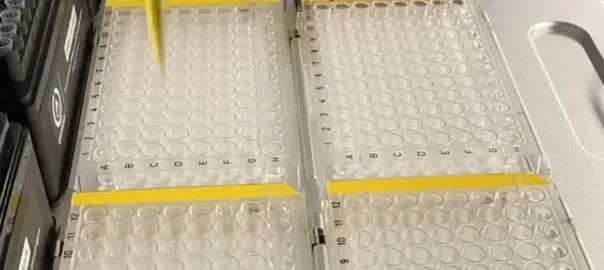
Researchers from the UK’s University of York have succeeded in using an advanced robotic system to discover a new drug candidate that could form the core of another generation of antibiotics, providing a new impetus to confront the crisis of bacterial drug resistance, considered one of the most serious global health challenges today. The study, published in the journal Nature Communications, explained how this automated system enabled researchers to produce and test hundreds of chemical compounds in record time, instead of relying on slow traditional methods. The slow traditional methods of discovering and developing antibiotics involve a long and complex series of sequential steps, starting with the manual synthesis of chemical compounds one by one in the laboratory, which is a time-consuming process that requires intense human effort and high precision at each stage. This is followed by purifying each compound individually and then characterizing it chemically using different analytical techniques, before proceeding to biologically test it on specific bacterial strains, often in separate experiments and with limited numbers of samples. Toxicity tests Toxicity tests on human cells are performed gradually and slowly, which limits the number of compounds that can be evaluated during a given period of time. These methods usually rely on traditional carbon molecules with frequent minor changes in the chemical structure, reducing the chances of discovering new mechanisms to overcome bacterial resistance. Due to the lack of automation and parallelism in work, each step depends on the one that preceded it, so that the movement from an initial idea to the identification of a promising compound can take several months or even years, which does not correspond to the acceleration of the antibiotic resistance crisis worldwide. But instead of these methods, the research team relied on a robotic platform capable of creating hundreds of “metal complexes,” which are chemical compounds centered around a metal atom, in a very short period of time. In just one week, researchers were able to produce more than 700 complex metal compounds and then subject them to precise tests to measure their ability to kill bacteria, in addition to their potential toxicity to healthy human cells. This rapid process led to the identification of 6 promising compounds, including a compound based on the metal iridium that emerged as the most striking candidate. High therapeutic index: The iridium-based compound has shown a high ability to eliminate bacteria, including strains close to methicillin-resistant Staphylococcus aureus bacteria, which is one of the most dangerous types of antibiotic-resistant bacteria. The compound showed no significant toxicity towards human cells, meaning it has a high “therapeutic index”, which is an essential feature for any drug candidate for safe and effective use in the future. These results come at a time when experts describe bacterial resistance to drugs as a “silent pandemic”, as it is estimated that more than a million people die each year from infections that could be prevented but have become untreatable due to the failure of current antibiotics. Bacterial resistance to antibiotics Antibiotic resistance is one of the most serious threats to global health, affecting food security and development, and threatening the benefits of modern medicine. Anyone can be affected by antibiotic resistance, regardless of age or country, as it is a global problem that crosses borders. Resistance occurs naturally, but misuse and overuse of antibiotics in humans and animals dangerously accelerates their spread. Many common infections have become difficult or impossible to treat, such as pneumonia, tuberculosis, septicemia and gonorrhea, due to the reduced effectiveness of available antibiotics. It is bacteria that develop resistance, not humans or animals, which leads to more severe infections that are difficult to treat and persist for longer periods of time. Antibiotic resistance increases the length of hospital stay, increases medical costs and leads to higher mortality rates. The indiscriminate purchase of antibiotics without a prescription, and poor adherence to treatment guidelines, are among the most prominent reasons for the worsening of the problem worldwide. The world is at risk of entering the “post-antibiotic era”, and simple infections and common infections can turn deadly again if urgent action is not taken. Prevention is the cornerstone of combating resistance, and includes improving hygiene, vaccination, rational use of antibiotics and reducing the spread of infection in the community, hospitals and agriculture. Even if new antibiotics are developed, resistance will remain a threat unless usage behavior changes and efforts are coordinated between individuals, health professionals, policy makers, industry and agriculture at the global level. Scientists have warned that if new drugs are not developed, routine medical procedures such as hip replacement, chemotherapy or organ transplantation could turn into high-risk operations due to the possibility of developing uncontrollable infections. This work was led by a research team led by Dr Angelo Frei from the Department of Chemistry at the University of York, who together with his colleagues chose to turn to an area that had been marginalized for a long time in drug development, which is the field of metal-based compounds. Click chemistry: Unlike most modern antibiotics, which consist of relatively flat carbon molecules, metal complexes have a three-dimensional structure, which gives them different ways to interact with bacterial cells and may allow them to bypass resistance mechanisms that bacteria have developed against conventional drugs. To achieve this progress, the team used a combination of robotics and chemistry known as “click chemistry,” a method that allows different molecular components to be attached quickly and efficiently, much like putting pieces together with nails. Using this automated platform, the researchers combined almost 200 different types of ligands – the molecules that surround the metal in the complex – with five different metals. The result was a vast library of new compounds, produced in less than a week, a task that would have required several months of manual work in traditional laboratories. After the synthesis phase, all compounds underwent rigorous testing to measure their antibacterial efficacy, as well as their safety on human cells. Among hundreds of compounds, six new candidates emerged, before iridium topped the list thanks to its striking combination of high potency and low toxicity. Angelo Fry said that the line of developing new antibiotics has been suffering from a drought for decades, noting that traditional screening methods are very slow, and that large pharmaceutical companies have largely withdrawn from this field due to poor economic returns. Fry added that the combination of smart click chemistry and automation has enabled researchers to explore vast, unprecedented areas of “chemical space” at unprecedented speed, explaining that the achievement is not limited to the discovery of a single promising compound, but rather is the demonstration of a new methodology that can accelerate finding “the needle in the haystack”. Misconception Although metal-based drugs have historically been considered inherently toxic, data from the Open Society for Antimicrobial Drug Discovery initiative suggest that metal complexes may actually have a higher success rate in eliminating bacteria without causing toxicity than traditional organic molecules. The team from the University of York hope that their results will help to re-engage the interest of the scientific community and pharmaceutical companies in this field. Researchers are currently working to understand the exact mechanism used by the iridium compound to attack bacteria, in addition to expanding the capabilities of their robotic platform to test other metals, in a move that could open the door to a new generation of antibiotics capable of confronting one of the most serious health threats of the modern era.


Small cap stock below ₹20 hits the upper circuit following bullish trend in Dalal Street

Small cap stock below ₹20 hits the upper circuit following bullish trend in Dalal Street

Osia Hyper Retail shares touched an upper circuit limit of 5% at ₹17.14, ending a four-day losing streak. Despite this recovery, the stock remains down 7% for December and is down 41% this year, marking its second straight year of decline. Small cap stock below ₹20 hits upper circuit after bullish trend on Dalal Street (Pixabay) Shares of Osia Hyper Retail resumed their winning run in Monday’s trading session, December 22, touching the 5% upper circuit limit at ₹17.14 apiece. The setback ended a four-day losing streak during which the stock lost nearly 15% in value. The rally followed strong gains in the Indian stock market amid positive global cues, along with improving domestic fundamentals, which kept bulls in control for the second consecutive session. Although the stock has made a recovery, it needs to maintain the same momentum through the rest of December to turn positive as it remains down 7% year to date. Osia Hyper Retail ends bull run after 73% gain After remaining in a long bearish phase between October 2024 and June 2025, the shares found footing in July, paving the way for a strong recovery in the following months. Between July and September, the stock delivered a massive 73% gain. However, the rally fizzled in the months that followed amid weak sentiment across mid- and small-cap stocks, causing it to fall 48% from the October highs of ₹33 apiece. The recent crash pushed the stock into negative territory for the year, down 41% year-to-date and marking the second straight year of decline after a sharp 42% decline in 2024. Osia Hyper Retail Limited, an emerging Indian retail supermarket chain, operates under the brand name Osia Hypermart, with a focus on value retail. About Osia Hyper Retail Founded in 2014 in Ahmedabad, Gujarat, the company offers a wide range of over 3 lakh products including apparel, FMCG, home furnishings, electronics and groceries, all under one roof. Osia Hyper Retail made its SME IPO debut in March 2019 and raised ₹39 crore by issuing 1,578,400 equity shares at ₹252 per share. The IPO proceeds are earmarked for expanding operations into new geographies to support the next phase of growth. At the end of FY25, Osia operates 43 stores across Ahmedabad, Vadodara, Gandhinagar, Gandhidham, Palanpur, Mehsana and Dehgam, along with one distribution center in Rakhial, Ahmedabad. Looking at the company’s financial performance for Q1FY26, Osia Hyper Retail reported a 56% YoY increase in net profit to ₹5.10 crore. On a sequential basis, the company’s net profit fell by 14.17%. Revenue stood at ₹373 crore, up 5% YoY, and showed an even stronger improvement on a sequential basis, up 14%. Disclaimer: We advise investors to check with certified experts before making any investment decisions.

Meesho shares plunge 10%, hit lower circuit – Is this an opportunity to buy?

Meesho shares plunge 10%, hit lower circuit – Is this an opportunity to buy?

Meesho shares came under significant selling pressure on Monday, December 22, extending losses for the second consecutive day, as investors booked gains following a stellar run in the new-age e-commerce player following its listing on the Indian stock market earlier this month. Meesho shares touched a record high of ₹254.65 on Friday, but soon saw a selling spree. In Monday’s trade, Meesho share price fell 10% to the lower price band of ₹202.05 on the BSE, taking the two-day losses to over 14%. Priced at ₹111, Meesho IPO made a grand debut on Dalal Street on December 10 this month, at a premium of 46% over the offer price. The stock extended gains to 53% higher than the offer price. Amid today’s fall, Meesho lost its multibagger stock status achieved last week. However, despite this, Meesho shares remain 82% above their IPO price, leaving strong gains on the table for investors. More to come…

Dye & Durham shares sink as the submission of delay threatens the turnaround

Private Equity investment in India slows in 2025, but long-term outlook remains strong: KPMG

In a report titled Pulse of private equity Q3’25 KPMG, a quarterly analysis of global private equity activity, KPMG said that by the end of Q3 2025, PE investment in India was just $14.9 billion across 217 deals, compared to $26.3 billion across 289 deals during all of 2024 private investment in India, but slow E5,2024. long-term outlook remains strong: KPMG New Delhi [India]: Private Equity investment in India was relatively soft in 2025, mainly driven by concerns over US tariff policies and other geopolitical issues, a KPMG report said on Monday. In a report titled Pulse of private equity Q3’25 KPMG, a quarterly analysis of global private equity activity, KPMG said that by the end of Q3 2025, PE investment in India was just $14.9 billion across 217 deals, compared to $26.3 billion across 289 deals during the entire current 2025 trend, the slowest trend for the entire 2025 could continue PE investment since 2019 and the slowest for deal volume since 2020, it said. “Despite some softness in its PE market at present, India is still considered a very attractive jurisdiction for PE investment given strong macro factors combined with its sizeable population, attractive demographics and growing domestic consumption,” KPMG said in its report. PE investment showed a much more optimistic trajectory for PE investment in India between 2020 and 2024. During that five-year period, the KPMG report said, India attracted more than USD 20 billion in PE deal value every year. The transaction volume was also very robust, reaching a record high of 289 transactions in 2024. KPMG highlighted that global private equity firms are increasingly acting as business builders in India, often acquiring majority stakes and investing operationally to scale companies rather than pursuing minority or pure financial investments. Many international funds have expanded their presence on the ground in India to strengthen local relationships and support portfolio companies. “India has incredibly strong macros, a growing population, the largest working-age population in the world, and some of the highest savings rates in the world. All this makes India a very attractive domestic consumer story. This is a huge draw for PE investors along with the significant amount of opportunity there is for PE players to come in, invest money and make money by building Head-based private enterprises in India,” KPM-based EG Enterprises said in India. At an industry level, the KPMG report said that the PE firms are taking a number of different approaches to building businesses in India. Some PE firms identify businesses within niche sectors and use them as a platform to bring in complementary businesses to build larger, more diversified companies. Others are acquiring similar small businesses and rolling them into a stronger whole that can drive better value and profitability, the report said. Some PE firms also direct their investments to businesses that are able to support other companies within their global portfolio or provide services to other companies to drive value across their ecosystem of investments, it said. The technology sector is one of the largest areas of PE investment in India. PE investors have also shown significant interest in the healthcare and life sciences space in India, the report said. Global PE investment remained resilient in the third quarter of 2025, reaching USD 537 billion across 4,062 announced deals, KPMG said in its report. This article was generated from an automated news agency feed with no text modifications.