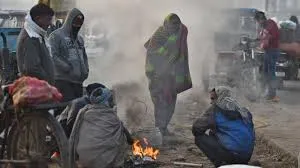
Jagran Correspondent, Jamshedpur. The cold in the city is constantly reaching its peak. On Thursday, the minimum temperature dropped to 10.2 degrees Celsius, which is the lowest temperature of this season so far. The maximum temperature also dropped to 26.6 degrees Celsius. According to the India Meteorological Department (IMD), this cold phase will intensify in the coming days. There will be partly cloudy skies in the district between November 30 and December 2. During this period, a slight increase of 1-2 degrees in daytime temperature is possible, but the cold at night will further increase. According to meteorologists, there are chances of a strong cold wave again from December 3 and a drop in temperature will be recorded. Visibility is affected due to dense fog and mist in the morning and evening. Drivers need to travel only with the help of headlights and fog lights of vehicles. The administration advised people to slow down and be careful while driving during fog. Due to the increasing need for bonfire in the city, people started to turn to bonfire. People are seen warming themselves by fire on roads, squares and market areas. The Municipal Corporation also makes arrangements for public bonfires at many places so that the homeless and poor class can get relief. Amidst the cold and sudden change in weather, there has been a 25-30% increase in the number of patients suffering from allergies in the city’s hospitals. The crowd of patients increased from the Mahatma Gandhi Memorial (MGM) Medical College Hospital to private nursing homes. Children, the elderly and asthma patients are the most affected due to the ongoing cold wave in the city. Doctors say that the body’s immunity becomes weak due to cold air, dust particles, pollution and weather changes. In such a situation, allergies, coughs, colds, skin diseases and shortness of breath increase rapidly. Coughs, colds and skin allergies have increased in children. According to pediatrician dr. KK Choudhary Cases of cough, cold, sore throat, watery eyes and skin allergy are constantly increasing in children going to school in the morning. Dr. Chaudhary said that the immunity of small children is weak, and therefore they are not able to tolerate the sudden drop in temperature easily. The elderly and asthmatics are most affected in this season. Dust particles present in cold air cause irritation in the nose and lungs, increasing the problem of breathlessness, cough and allergic asthma. The problems of the elderly further increase due to the humidity of the morning and late evening. Doctors have advised the elderly to avoid going out early in the morning during cold and to take medicine regularly. Due to reduced wind speed in winter, dust and pollution settle down. This substance increases allergies quickly. Also, due to increased humidity in homes, the risk of fungal allergies increases. Know how to keep yourself safe. Go out in the morning and evening with warm clothes. Dry blankets and blankets in the sun. Do not allow dust to accumulate. People with allergies should wear a mask. Drink enough water throughout the day. Drive slowly during fog.