We’re underestimating the position of social media in mass shootings, and it’s time to vary

[ad_1]
Over the course of a single weekend, at the least 31 individuals have been killed and dozens extra have been wounded in mass shootings in El Paso, Texas and Dayton, Ohio. These are unspeakable tragedies, and whereas we should take the time to grieve, we additionally have to study from these incidents. How might somebody be pushed to commit such an atrocity, and what can we do to forestall this sooner or later?
I’d like to show our consideration to social media, a robust know-how that, when used inappropriately, can facilitate acts of terrorism like this, and when used appropriately, can forestall (or mitigate) them.
Clearly, mass shootings are the results of a myriad of interconnected components, not the least of which incorporates the simple accessibility of firearms in the US. However we owe it to ourselves and the individuals round us to look at all these components, and take motion on what we are able to.
The 4 components most mass shootings have in frequent

The Nationwide Institute of Justice has a formidable database masking each mass taking pictures since 1966, and each taking pictures incident at a faculty, office, or place of worship since 1999. The LA Occasions reviewed this info, in the end noting that just about each incident was pushed by a perpetrator with 4 qualities in frequent.
First, most shooters have been uncovered to trauma and/or violence at a younger age; they have been victims of bullying, their dad and mom have been abusive, or they witnessed acts of violence firsthand. This typically results in despair, nervousness, suicidality, and different psychological well being situations.
Second, most shooters reached some sort of “disaster level.” It might have been the lack of a job, the failure of a relationship, or another main life occasion. This set off level often results in a visual change in habits, typically together with particular threats of violence.
Third, most shooters (particularly fashionable ones) frolicked learning the mentality and actions of different shooters up to now. It’s proven that shootings are, to an extent, socially contagious; when troubled individuals see somebody like them committing mass homicide, they have a tendency to glamorize the thought. They will then research their actions and actions to place collectively a plan of their very own.
Fourth, all shooters had some solution to perform their plan. In different phrases, that they had firearms and a solution to get the place they have been going.
This fourth issue all the time will get a ton of consideration, typically on the expense of the opposite three. As an alternative of determining how you can restrict the glamorization of previous mass shootings, mitigate childhood trauma, and higher reply to individuals who attain disaster factors, we solely discuss enhancing legal guidelines associated to gun acquisition and possession. Whereas this, too, is essential, it’s not the one factor we have now to fret about, particularly contemplating every of those different three components has some sort of tie to our use of social media.
Trauma, bullying, and publicity to violence
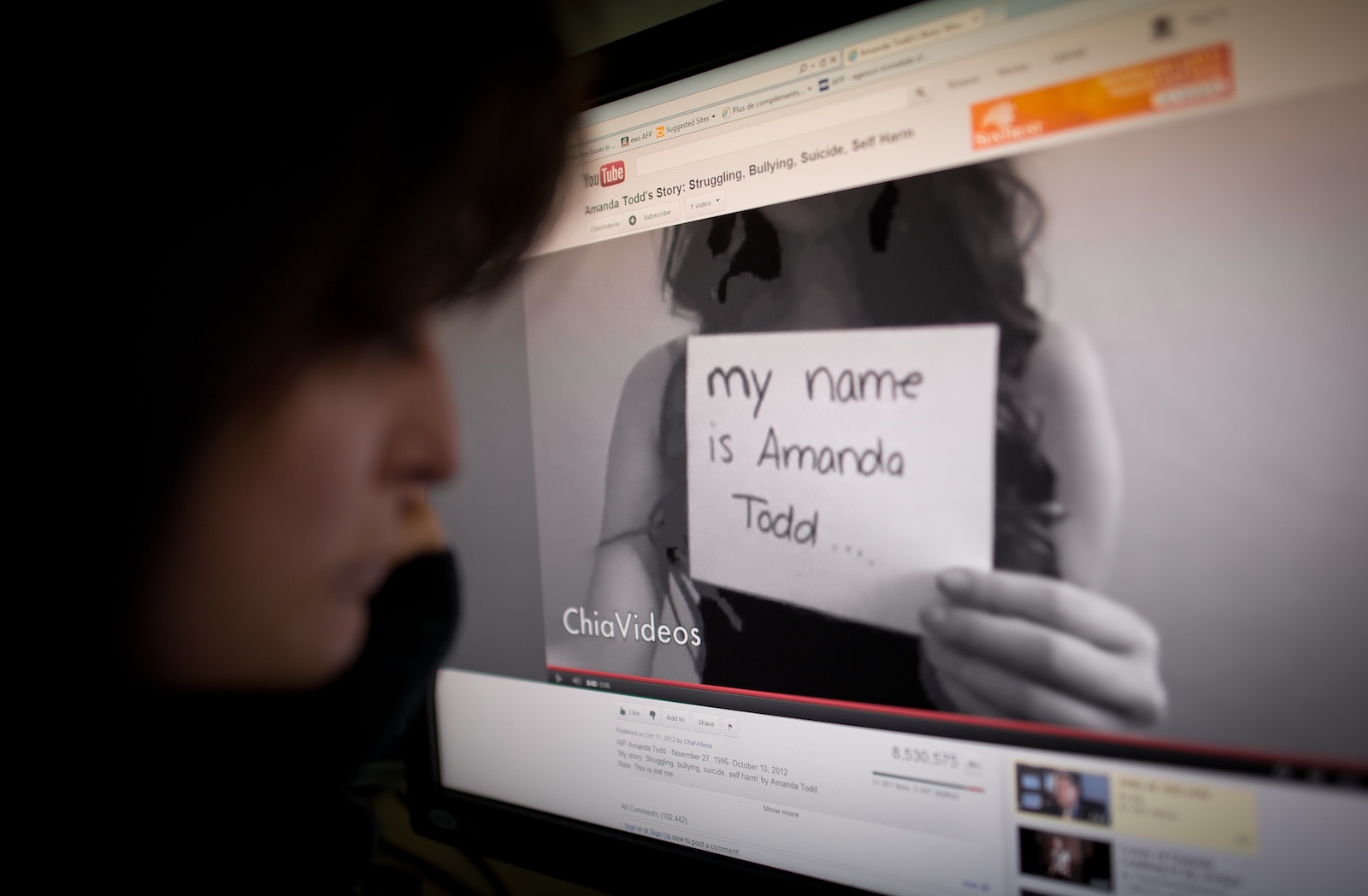
For starters, let’s have a look at the position of social media in exposing youngsters to bullying and violence. Bullying and childhood trauma are, sadly, nothing new, however the velocity and universality of social media makes it hit more durable and unfold sooner. Cyberbullying is an epidemic in its personal proper, and we’re not taking it critically sufficient. A part of the issue is that fewer than half of kids who expertise cyberbullying inform their dad and mom, presumably as a result of they underestimate its results, or presumably as a result of they know they received’t be taken critically.
It’s additionally proven that heavy social media use even with out cyberbullying results in greater charges of loneliness, nervousness, and despair, all of that are precipitating psychological well being components that would lead somebody to violent motion (given the presence of different precipitating components).
Triggering occasions and modifications in habits
Look by a few of the most up-to-date mass shootings, and also you’ll see that just about each shooter displayed some sort of indication of their psychological state within the days and weeks main as much as the occasion. Lots of them posted full manifestos on-line, stating their political or non secular beliefs, with undertones of malice and hatred. Some fully spelled out their violent intentions. Others have been subtler, posting about their disaster level and exhibiting clear indicators of emotionally struggling.
Hindsight is 20/20. If we took each on-line manifesto or cry for assist as a sign of a forthcoming mass taking pictures, issues would get chaotic quick. Nevertheless, within the presence of different components, we might be utilizing social media extra actively to search for potential threats, take preventative motion when attainable, and lend help to individuals who desperately want it.
Social contagions and preparation
It’s additionally price noting how rapidly information of mass shootings can unfold on-line, and the way we report on mass shootings within the media. Inside hours, we often know the suspect’s title and face, in addition to a lot of the particulars of how they dedicated the act. We study the place they acquired weapons, how they deliberate the occasion, and the way the police responded. We give consideration to their political manifestos and on-line posts.
This heavy, clear circulation produces the “contagious” impact we’ve develop into all too acquainted with, inspiring extra individuals to take up arms and commit an atrocity of their very own. It additionally gives them with info they’ll use to plan their very own taking pictures, probably giving them clues on how you can trigger extra injury, or evade seize for longer. Censorship and knowledge limitation is probably not the reply, nevertheless it might have a optimistic impact.
8chan and the galvanizing impact of echo chambers

It’s additionally price noting that there have been at the least three acts of white supremacist extremist violence this 12 months related to 8chan, a social discussion board recognized for its open coverage in the case of content material. Exploiting this open coverage, the board is steadily host to alt-right discussions, racist tirades, and extra notably, threats of violence. Customers who frequent the board are trapped in a sort of echo chamber, the place others are continually reaffirming their beliefs and fears, and the place individuals like them are glamorized for his or her heinous actions.
Whereas most communities are nowhere close to this unethical or excessive, it serves to indicate simply how highly effective and devastating echo chambers will be. If you spend sufficient time in a neighborhood that solely galvanizes your current attitudes, it’s straightforward to develop hateful and illiberal of anybody else. All of us have to spend extra time reaching out to people who don’t agree with us, and communities that do extra than simply make us really feel like we’re proper.
None of that is making an attempt to make the argument that social media causes mass shootings (just like the always-irritating argument that video video games are in charge), or that if we merely pay extra consideration to social media, we might forestall them. As an alternative, it’s merely highlighting how intricately woven social media is in our lives, and the way complicated the inciting occasions resulting in mass shootings really are. Collectively, we must be extra alert, extra compassionate, and in some instances, higher restrained on social media. And within the realms of science and public coverage, I believe we’d be well-served with a deeper analytical plunge into social media because it pertains to mass taking pictures incidents.
This put up is a part of our contributor sequence. The views expressed are the creator’s personal and never essentially shared by TNW.
Revealed August 8, 2019 — 12:23 UTC
[ad_2]
Supply hyperlink


